
Yellow4FLAVI Mid-Term General Assembly

In May 2026, the Yellow4FLAVI consortium gathered in Padova for its Mid-Term General Assembly, organised by Project Coordinator Institut Pasteur and hosted by Prof. Luisa Barzon and her team at the University of Padova. Fifty participants from 11 countries — including 5 External Scientific Advisory Committee members — came together over three days for a General Assembly and a training workshop on science communication, popularisation and storytelling.
The programme featured around 45 speakers, including Work Package leads, early-career researchers and advisory board members. With scientific presentations, early-career researcher pitch sessions, parallel Work Package and inter-WP meetings, an External Scientific Advisory Committee panel, and forward-looking discussions on AI in vaccinology and PhD career development, the meeting was a resounding success.
A rich social programme of cultural visits and networking opportunities further strengthened cohesion across the consortium, confirming the project's strong scientific momentum and collaborative spirit as it enters its second and decisive phase.
Participant feedback confirmed the value of meeting in person: the General Assembly achieved an overall satisfaction score of 4.7/5, and networking opportunities were rated 100% satisfactory, with informal moments (coffee breaks, dinners and guided tours) consistently cited as a key added value.
Scientific Highlights

Across the consortium, presentations highlighted major progress in understanding and harnessing immune responses to flavivirus vaccination, including:
How prior flavivirus immunity can shape yellow fever vaccine responses, with implications for vaccination strategies in flavivirus-endemic settings
Predictors of vaccine responsiveness in humans, including baseline immune activation signatures
Early innate immune correlates that anticipate later antibody responses after vaccination
Mechanisms supporting durable T cell memory, relevant for long-term protection and next-generation vaccine design
New tools and antigen designs to analyse immune responses after infection or vaccination (yellow fever and dengue)
Alongside immunology and vaccine design, the meeting also showcased the project’s social sciences research (WP5), focusing on perceptions of novel vaccine technologies and how people understand (vaccine-induced) immunity — work that helps strengthen risk communication, public engagement and trust around flavivirus vaccines.
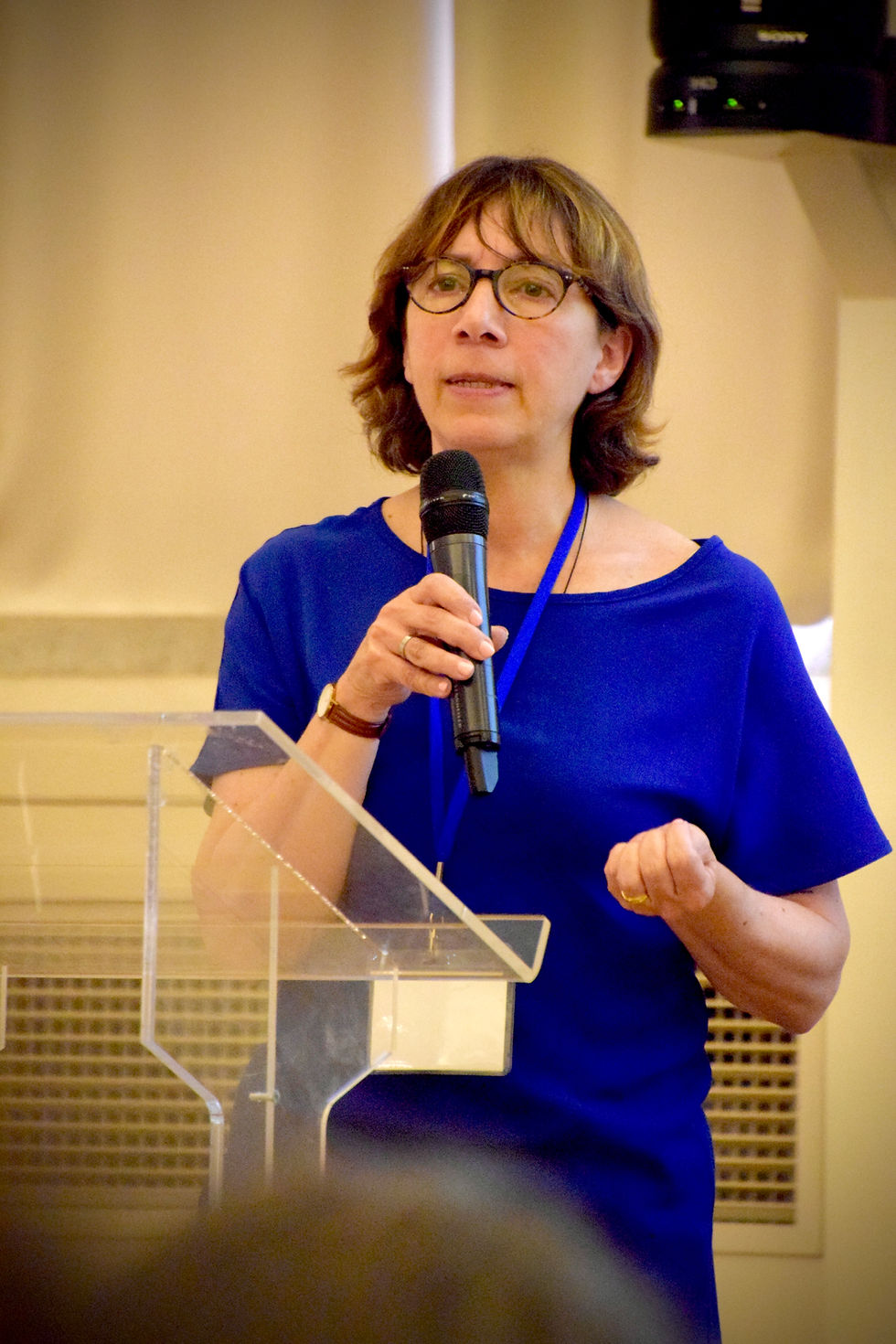
Meet our early-career researchers

A highlight of Day 2 was the “Meet Our Early-Career Researchers” pitch session, where 14 PhD students and postdoctoral fellows from across the consortium presented their work and scientific journeys. From cryo-EM and spatial transcriptomics to clinical cohort studies, these presentations were a vivid illustration of the breadth of expertise — and the talent — being developed within Yellow4FLAVI.
Science communication training
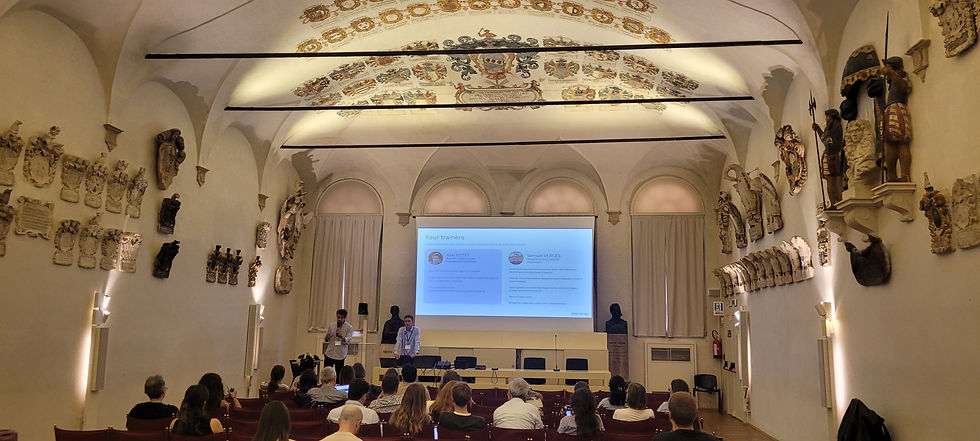
On Day 3, participants took part in a dedicated science communication, popularisation and storytelling training workshop at Palazzo Bo, University of Padova, delivered by PERCEPTIOM. Through hands-on exercises and structured feedback, researchers worked on translating their science into accessible language, structuring clear oral presentations and communicating responsibly on sensitive topics — skills that are central to Yellow4FLAVI’s public engagement mission.
Social programme and networking

In parallel with the scientific programme, participants also took part in a series of cultural visits and informal networking moments across the city. Highlights included a guided tour of the historic Palazzo Bo at the University, and a group visit to the Scrovegni Chapel (UNESCO World Heritage), alongside shared dinners at iconic venues in Padova. These moments created space for new connections, cross-disciplinary conversations and emerging collaboration ideas across Work Packages.

A warm thank you to Prof. Luisa Barzon and the entire University of Padova team for their outstanding hospitality.
The second half of the project is well underway — stay tuned!


Comments